Durable labels
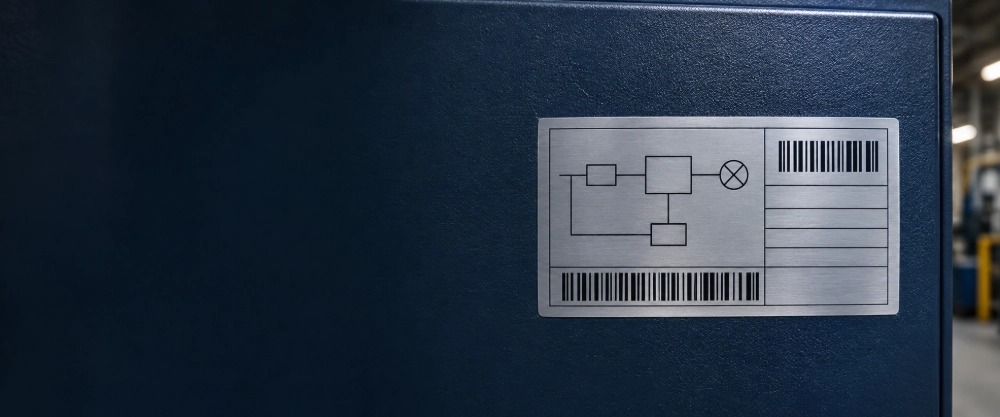
Durable Label Materials for Industrial Applications
An equipment label has two jobs: stay attached and keep information readable. A serial number label can lift at the corner of a textured machine housing. An asset label can stay in place while its barcode becomes difficult to scan after repeated wiping. Either problem can make it harder to identify a part, trace a batch or service a machine.
The right label material depends on where it goes and what it will face in use. A rating label on a refrigerator panel, a wraparound label on a cable and a batch label on an industrial drum each call for different checks. Start with the surface the label will bond to, then consider how it will be printed and whether it will face heat, moisture, oil or frequent cleaning.
How Our Durable Label Materials Support Reliable Performance
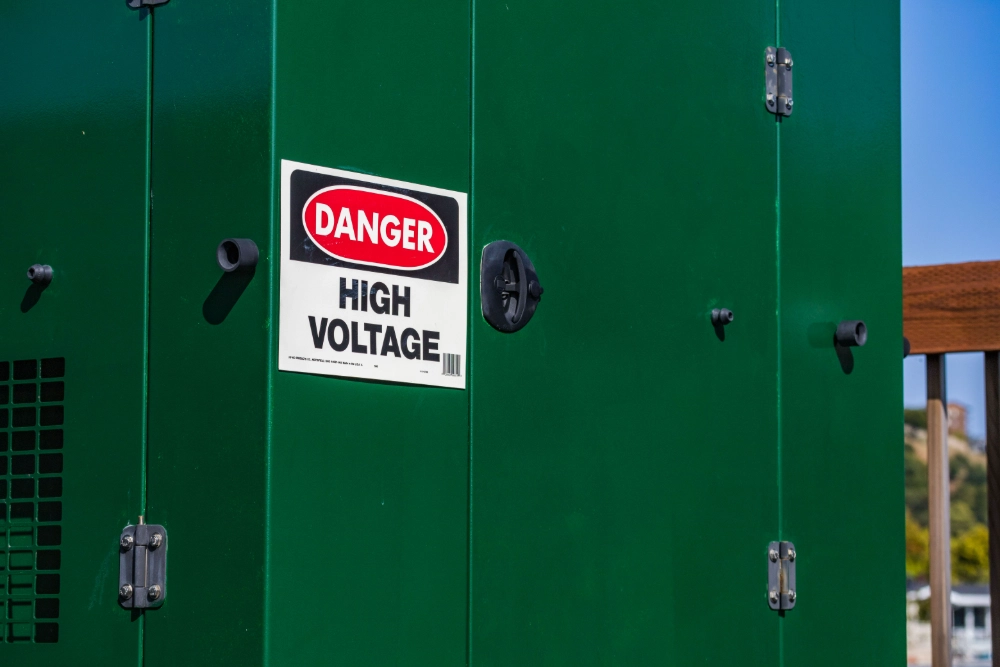
Engineered to withstand harsh environments
Our label materials are designed to withstand heat, moisture, chemicals and mechanical wear while maintaining strong, long-lasting adhesion across a wide range of surfaces, including challenging polar and non-polar substrates.

Designed to Keep Key Information Readable
Model numbers, serial numbers and barcodes need to remain readable through routine handling and servicing. Our white, silver and clear PET options give you a choice of backgrounds for the printed information. We help you select samples for your print process so you can check text contrast and barcode readability on the finished part.

Supported by Grade-Specific Technical Data
For selected PET materials, YISHU provides technical data sheets with initial tack, peel adhesion and shear holding time. These figures give your team a starting point for comparing materials before trialing them on actual parts. If your project calls for a specific test or approval, we can confirm which documents are available for the proposed grade.
Durable Label Applications Across Industries
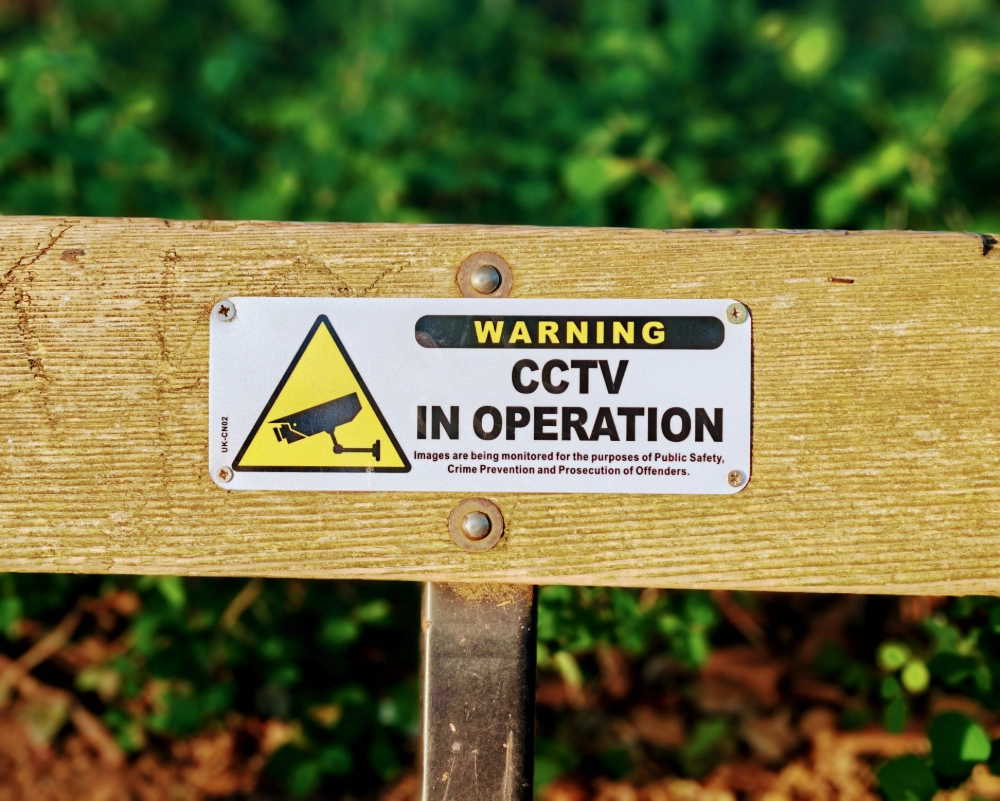
Outdoor Assets and Traceability
Asset labels are applied to outdoor electrical cabinets, telecom enclosures and utility equipment. A barcode or QR code lets field teams identify the asset, access its records and log inspections on site.

Automotive and Transportation
Vehicle information labels are applied to door jambs, while part identification labels are used on wiring harnesses and component housings. Depending on the location, they carry vehicle information, part numbers or batch codes for assembly and service.
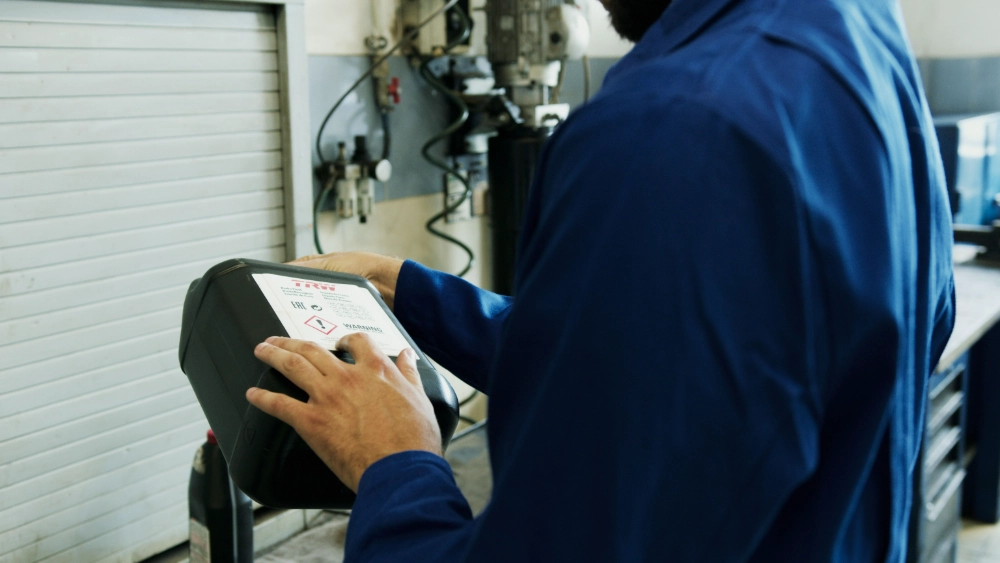
Industrial Equipment and Machinery
Identification labels on machine housings and control cabinets display equipment IDs, model numbers and asset barcodes. Warning labels are placed near guards, access panels or hot surfaces to identify specific hazards.

Home Appliances and Electronics
Rating labels on refrigerator door frames, washing machine rear panels and electronic housings show model numbers, serial numbers and electrical ratings. Service teams use these details to identify the unit and find the correct replacement parts.
Industrial Containers and Returnable Packaging
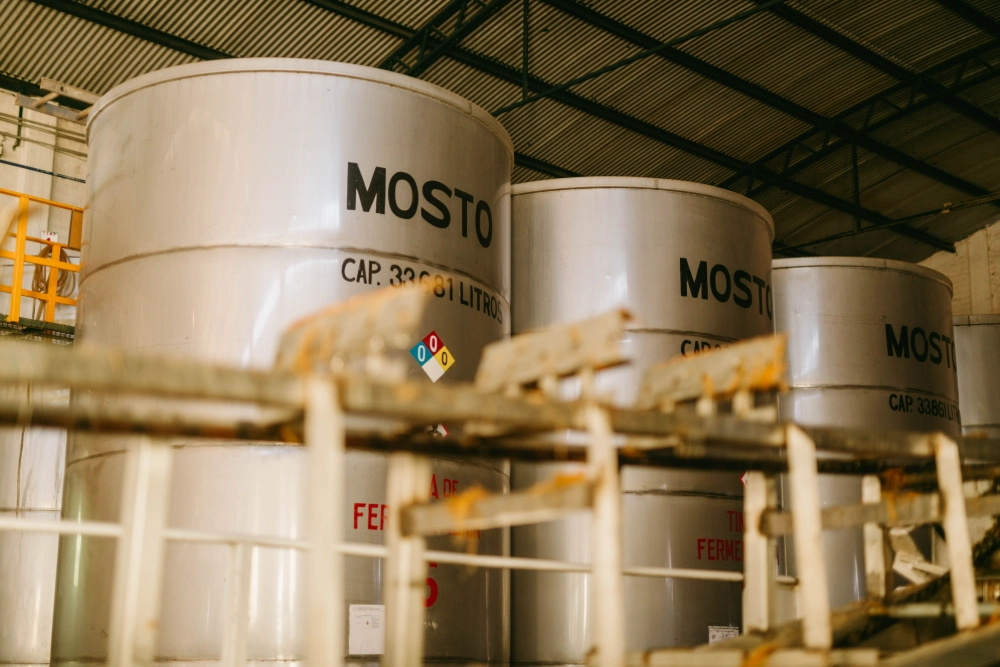
Labels on steel drums and plastic pails identify contents and batch numbers. On reusable totes, a fixed asset label identifies the container, while a replaceable label shows the current contents, order or destination.

Cables and Electrical Connectors
Wraparound and flag labels are applied near cable ends, and identification labels can also go on connector housings. Circuit IDs, port numbers and part codes help technicians match connections to wiring diagrams and locate the right cable in a bundle.
Have a question about your label application? Get in touch →
Technical Data for PET Label Materials
Selected YISHU label materials combine a white, silver or clear PET film with a water-based acrylic adhesive and a 60 g/m² white glassine release liner.
| Adhesive Property | TDS Specification |
|---|---|
| Loop tack on stainless steel (FTM 9) | >900 gf/in |
| 90° peel adhesion on stainless steel (FTM 2) | >500 gf/in |
| Shear holding time (FTM 8) | >12 h |
Use these values to compare materials. For textured metal or plastic housings, confirm adhesion on the actual part before ordering.
View Technical Data Sheet (PDF)Frequently Asked Questions About Durable Label Materials
What should I test if our machine labels lift after cleaning?
Apply a printed sample to the actual powder-coated panel or textured housing and repeat your normal cleaning process. Check the corners for edge lift and the print for wear. If you use a pressure washer, share the cleaning conditions with YISHU so we can review material options for sampling.
How can I keep refrigerator model and serial numbers readable for servicing?
Print the model and serial numbers at their final size, then apply the sample where the production label will go. Check readability after the wiping and handling expected at that location. YISHU can help you compare white, silver and clear PET options based on your print method and the contrast you need.
Can I use the same label material on a vehicle door jamb and under the hood?
Start with the mounting location and the conditions at that point. A door-jamb label may need to withstand repeated rubbing, while an under-hood label may face heat and contact with specific fluids. Share the surface, temperature range and expected exposure so we can review samples and available data for the proposed grade.
How can I tell if an outdoor asset barcode will still scan after sun exposure?
Print the actual barcode on the proposed material and use your field scanner to check it before and after a defined exposure trial. Record the exposure duration, scan results and any fading or edge lift. If you are considering a protective overlaminate, compare finished samples with and without it under the same conditions.
Why do wraparound labels split or open on small cables?
A label that lies flat on a panel may be too stiff to follow a tight curve. Trial the proposed material on the smallest cable in your project, using the actual jacket material and overlap length. After bending and handling the cable as it would be in use, check for cracking or an opening at the overlap.
What should I specify for oil drums and reusable totes?
For an oil drum, specify the actual oil, contact time and wiping method, then check whether the printed batch code remains readable and the edges stay flat. For a reusable tote, specify how long the temporary label needs to stay in place and how it will be removed. Test for residue after a normal turnaround cycle.
Discuss Your Durable Label Application
Tell us where the label will go, how you plan to print it, and what it will face in use. YISHU can help you shortlist materials for sampling.
Fill Out the Inquiry Form